Mustard Algae: Banish Stubborn Yellow Algae
March 18, 2026
Ozone Generator: Ultimate Effortless Pool System
March 21, 2026
- Understanding the Uninvited Guest: What Exactly is Pink Slime?
- Why You Might Have Pink Slime
- Essential Steps for Effective Pink Algae Removal
- Step 1: Manual Cleaning and Scrubbing
- Step 2: Test and Balance Your Pool Water
- Step 3: Super Chlorination (Shock Treatment)
- Step 4: Thorough Filter Cleaning
- Step 5: Post-Treatment Monitoring
- Preventing Future Pink Slime Infestations
- When to Call the Professionals
Pink Slime: It’s a sight no pool owner wants to encounter. Despite its innocuous-sounding name, this pinkish-reddish discoloration isn’t actually an algae, but rather an unwelcome bacterial guest in your aquatic paradise. While less common than its green or black counterparts, a pink slime outbreak can be just as frustrating if you don’t know how to tackle it. The good news is that with the right approach, effective and easy pink algae removal is entirely achievable, restoring clarity and cleanliness to your swimming pool.
Understanding the Uninvited Guest: What Exactly is Pink Slime?
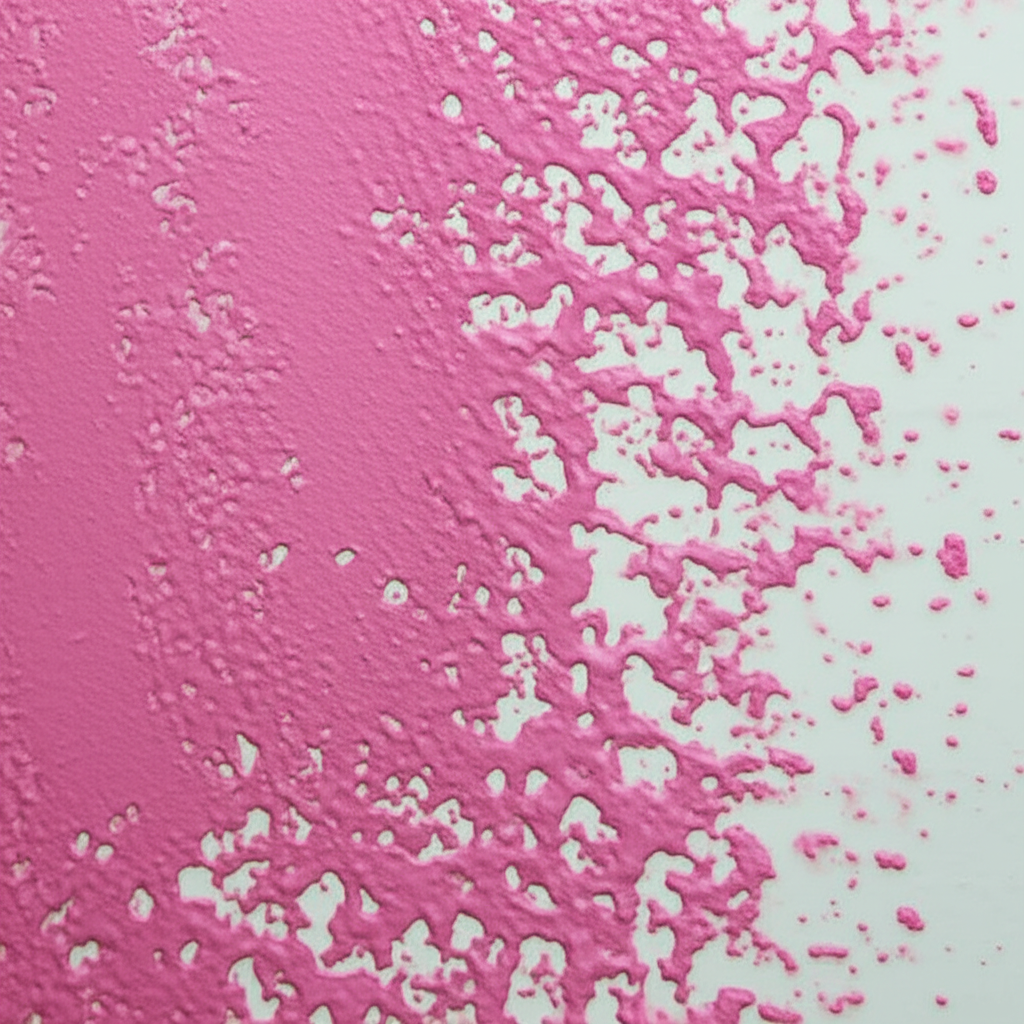
Before we dive into treatment, it’s crucial to understand what you’re up against. Pink slime in pools, often referred to as “pink algae” due to its slimy appearance, is not algae at all. Instead, it’s a biofilm primarily composed of Serratia marcescens, a common bacterium. This bacterium thrives in damp, challenging environments and can attach itself to pool surfaces, particularly in areas with poor circulation or on pool equipment like skimmer baskets, ladder rungs, filter hoses, or even toys. It typically manifests as a pink, red, or even orange-tinted film, which, when wiped, often reveals a gooey, slimy texture. While not generally harmful to humans in a recreational water setting, its presence indicates a lapse in sanitation and can be an unsightly nuisance.
Why You Might Have Pink Slime
Several factors contribute to the proliferation of Serratia marcescens in your pool:
Low Sanitizer Levels: Insufficient chlorine or other sanitizers are the most common culprits. These bacteria are resilient and can thrive even in seemingly chlorinated water if levels aren’t consistently maintained.
Poor Circulation: Areas with stagnant water, such as corners, steps, or behind ladders, provide ideal breeding grounds.
High Organic Load: Leaves, dirt, suntan lotion, body oils, and other organic debris consume chlorine, making it harder for the sanitizer to combat bacteria effectively.
Warm Temperatures: Like most microorganisms, Serratia marcescens flourishes in warmer water.
Contamination: Introducing contaminated items like certain pool toys, flotation devices, or even cleaning equipment can transfer the bacteria into your pool.
Essential Steps for Effective Pink Algae Removal
Tackling pink slime requires a thorough, multi-step approach. Here’s how to do it efficiently:
Step 1: Manual Cleaning and Scrubbing
Before adding any chemicals, physical removal is key.
Brush All Surfaces: Use a stiff pool brush to vigorously scrub down all pool walls, floor, steps, and any affected areas. Pay extra attention to corners, crevices, and under ladders where pink slime might hide.
Clean Pool Equipment: Remove skimmer baskets, weir doors, ladder rungs, and any pool toys or covers. Scrub them thoroughly with a brush and a strong chlorine solution (e.g., a mix of bleach and water). Rinse everything completely before returning to the pool. Consider discarding heavily contaminated items like old pool noodles or filter hoses if they are inexpensive to replace.
Vacuum to Waste: After brushing, vacuum the pool thoroughly. If possible, vacuum to waste rather than through your filter. This prevents the bacteria from getting trapped in your filter and being reintroduced later.
Step 2: Test and Balance Your Pool Water
Accurate water chemistry is crucial for effective sanitation.
Test Key Parameters: Use a reliable test kit or strips to check your pH, alkalinity, and calcium hardness levels.
Adjust as Needed: Ensure your pH is between 7.4-7.6, alkalinity between 80-120 ppm, and calcium hardness between 200-400 ppm. Properly balanced water allows your sanitizer to work at its maximum efficiency.
Step 3: Super Chlorination (Shock Treatment)
This is the primary weapon against pink slime.
Calculate Shock Dosage: Use a strong granular shock product, carefully calculating the amount needed based on your pool’s volume. You’ll typically need to raise your chlorine levels significantly – aim for 20-30 ppm (parts per million) for a severe bacterial issue.
Apply at Dusk: Always shock your pool at dusk or night. Sunlight rapidly degrades chlorine, reducing its effectiveness.
Broadcast Evenly: Dilute the shock according to product instructions (if granular) and broadcast it evenly over the pool surface, particularly in affected areas.
Run Your Filter: Keep your pump and filter running continuously for at least 24-48 hours after shocking to ensure proper mixing and comprehensive cleaning.
Step 4: Thorough Filter Cleaning
Your filter can harbor residual bacteria.
Backwash or Rinse: If you have a sand or DE filter, backwash thoroughly until the water runs clear. For cartridge filters, remove and meticulously clean the cartridges, soaking them in a filter cleaner solution to remove any trapped organic matter and bacteria.
Consider a Filter Cleaner: Specific filter cleaning products can help break down biofilms and oils that might be harboring Serratia marcescens.
Step 5: Post-Treatment Monitoring
Re-test and Re-brush: After 24-48 hours of continuous filtration, re-test your water. Ensure chlorine levels are coming down to a safe swimming range (1-3 ppm). Brush the pool again, even if you don’t see visible slime, to dislodge any remaining microscopic organisms.
Repeat if Necessary: If you still see signs of pink slime, or if your chlorine levels are dropping too quickly, you may need to repeat the shock treatment.
Preventing Future Pink Slime Infestations
Prevention is always easier than cure. Adopting these habits will keep your pool sparkling clean:
Consistent Chemical Balance: Regularly test your water and maintain optimal pH, alkalinity, and sanitizer levels. Don’t let your chlorine drop too low.
Regular Brushing and Vacuuming: Weekly brushing and vacuuming help prevent biofilms from forming.
Adequate Filtration: Run your pool pump for an appropriate number of hours each day (typically 8-12 hours, depending on pool size and usage) to ensure proper water circulation.
Clean Pool Toys and Equipment: Periodically clean all pool accessories with a dilute chlorine solution.
* Weekly Shocking: A routine weekly shock treatment helps destroy bacteria, algae, and other contaminants before they become a problem.
When to Call the Professionals
While DIY pink algae removal is often successful, sometimes the problem persists or feels too overwhelming. If you’re struggling to eliminate the slime, if you’re unsure about handling strong chemicals, or if you simply lack the time for intensive pool care, consider enlisting expert help. Professional pool cleaning services can accurately diagnose your pool’s issues, perform the necessary treatments efficiently, and set up a routine maintenance schedule to prevent future outbreaks. For comprehensive and stress-free pool maintenance, consider reaching out to the experts at California Blue Pool, who specialize in ensuring your pool remains a pristine oasis. Hiring a professional service ensures your pool chemicals are perfectly balanced and your equipment is functioning optimally, allowing you to enjoy a cleaner, safer swimming experience without the hassle.
By understanding what pink slime is and following these systematic steps for effective pink algae treatment, you can banish this unwelcome guest and keep your pool sparkling clean and inviting all season long. Consistent vigilance and proper pool maintenance are your best defenses against any unwanted invaders.