Skimmer Equalizer: Best for Perfect Water Level
July 15, 2026
Pool Fence Laws: Essential Guide to Safety Barriers
July 18, 2026
- Why Clear Pool Rules are Non-Negotiable
- Essential Pool Rules for Every Family
- Enforcing Your Family Pool Safety Guidelines
- Beyond the Rules: Maintaining a Safe Pool Environment
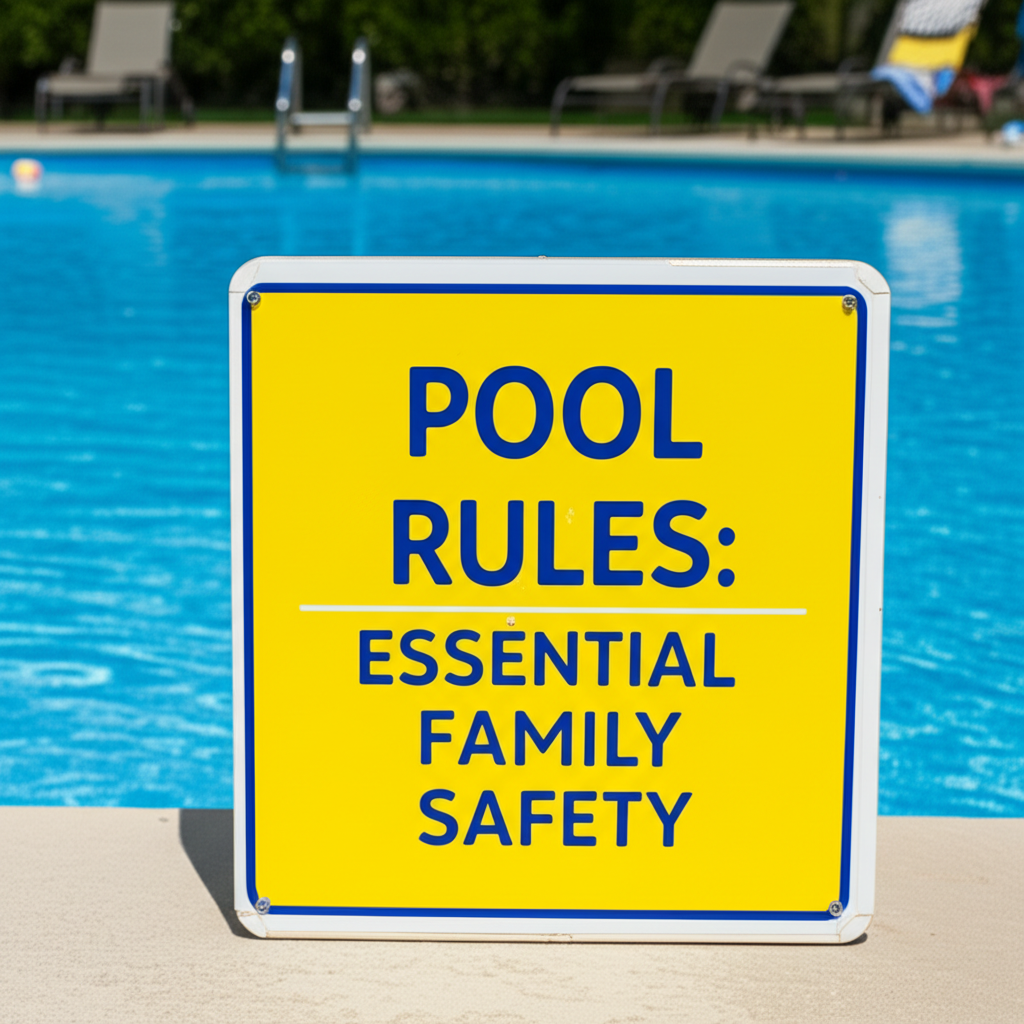
Pool Rules are the foundation of a safe and enjoyable aquatic experience, especially when it comes to family households. For many, a backyard pool represents endless summer fun, a place for relaxation, exercise, and creating cherished memories with loved ones. However, beneath the sparkling surface lies an important responsibility: ensuring the safety of everyone who uses it. Establishing clear, consistent rules isn’t about stifling fun; it’s about making sure that every splash is safe, preventing accidents, and providing peace of mind.
The allure of cool water can sometimes overshadow the inherent risks associated with pools, from accidental drownings to slips, falls, and even waterborne illnesses if hygiene isn’t maintained. This is where a comprehensive set of family pool safety guidelines becomes not just helpful, but absolutely essential. By openly discussing and enforcing these rules, families can create a secure environment where joy and safety coexist, turning potential hazards into manageable risks.
Why Clear Pool Rules are Non-Negotiable
A swimming pool, while a wonderful amenity, is also an environment that demands respect and caution. Children, in particular, are drawn to water but often lack an understanding of its dangers. Even adults can become complacent, leading to preventable accidents. Establishing non-negotiable pool rules serves several critical functions:
Drowning Prevention: The primary concern, especially for young children. Rules about supervision, fencing, and knowing how to swim are vital.
Injury Prevention: Slips, falls, head injuries from diving in shallow water, and cuts from broken items can all be avoided with clear guidelines.
Health and Hygiene: Rules about showering before swimming and not swimming when ill help maintain water quality and prevent the spread of germs.
Teaching Responsibility: Involving children in the rule-making process and enforcing them teaches them respect for safety and property.
Boundary Setting: Helps set clear expectations for behavior, reducing arguments and ensuring everyone knows what is acceptable and what is not.
Essential Pool Rules for Every Family
To truly cultivate a safe aquatic haven, every family should adopt and rigorously uphold a core set of Pool Rules. These aren’t just suggestions; they are vital safeguards:
Active Adult Supervision (The “Water Watcher” Concept): This is perhaps the most critical rule. Never leave children unattended near or in the pool, even for a moment. Appoint a designated “Water Watcher” – an adult whose sole responsibility is to constantly observe swimmers. This person should not be distracted by phones, books, or social conversations. For very young children or non-swimmers, supervision means being within an arm’s reach.
No Running, Diving in Shallow Water, or Horseplay: Wet surfaces are slippery. Running around the pool deck significantly increases the risk of slipping and falling, potentially leading to serious head injuries. Similarly, diving should only be permitted in designated deep ends, if at all. Horseplay, such as pushing others in or roughhousing, can easily lead to accidental injuries.
Secure Fencing and Self-Latching Gates: A barrier around the pool is your first line of defense against accidental access. Fences should be at least four feet high, non-climbable, and equipped with self-closing, self-latching gates that open outward. Regularly check that these mechanisms are in perfect working order.
Learn to Swim and Water Safety Skills: Enroll all family members, especially children, in swimming lessons. Knowing how to swim is a life-saving skill. Beyond swimming, teach children basic water safety like knowing how to float, how to get out of the pool, and what to do if they see someone in distress.
Emergency Preparedness: Have essential safety equipment readily available: a shepherd’s crook, a life ring with a rope, and a fully stocked first-aid kit. Everyone in the household should know where these items are and how to use them. Additionally, consider taking a CPR and first-aid course. Keep emergency numbers (911, poison control) prominently displayed near the pool area.
No Glass Near the Pool: Glass containers can shatter, leaving dangerous shards invisible on the pool deck or in the water. Opt for plastic or metal containers for beverages and food.
Electrical Safety: Keep all electrical appliances, cords, and devices a safe distance from the pool and wet areas. Water conducts electricity, and combining the two can be fatal.
Swim with a Buddy: Even strong swimmers should never swim alone. The buddy system ensures that someone is always aware of your presence and can call for help if needed.
Shower Before Entering and No Swimming When Ill: This rule promotes good hygiene and helps maintain water quality. Rinsing off before entering removes lotions, dirt, and sweat, reducing the chemical load on the pool water. Swimming when ill can spread germs, making others sick.
Enforcing Your Family Pool Safety Guidelines
Implementing these rules is only half the battle; consistent enforcement is crucial.
Lead by Example: Adults must adhere to the rules themselves to set a proper example for children.
Regular Review: Periodically review the rules with all family members, especially at the start of each pool season or before guests arrive.
Clear Consequences: Establish clear and consistent consequences for breaking rules. This might range from a time-out to a temporary loss of pool privileges.
Involve Children: For older children, involve them in setting the rules. When children have a say, they are more likely to take ownership and follow them.
Beyond the Rules: Maintaining a Safe Pool Environment
While stringent Pool Rules are crucial, the physical condition of your pool and its surrounding environment also plays a vital role in overall safety. Maintaining a pristine pool goes beyond just scooping leaves; it involves intricate balancing of chemicals, regular vacuuming, and ensuring all equipment functions optimally. For many families, ensuring peak condition can be a significant undertaking, which is why opting for professional pool cleaning services can be a game-changer.
Regular pool maintenance not only keeps your water sparkling but also extends the life of your pool’s infrastructure and ensures a healthy swimming environment. From checking chlorine and pH levels to inspecting filters and pumps, these tasks require knowledge and consistency. A reliable pool cleaning service can handle the complexities of water chemistry, debris removal, and equipment checks, preventing problems before they arise. Investing in expert pool cleaning not only saves you time but also provides peace of mind, knowing your water is safe and healthy for your family to enjoy. Ensuring the pool deck is clear of hazards, checking ladders and handrails for stability, and maintaining proper lighting for evening swims are also part of this broader safety picture.
Ultimately, a safe pool is a fun pool. By prioritizing family pool safety through clear Pool Rules and consistent maintenance, you can transform your backyard oasis into a worry-free zone where laughter and enjoyment are the only things that truly make a splash. Make these guidelines a permanent part of your pool culture, and your family will reap the rewards of countless safe and joyful memories.