Pool Rules: Essential Family Safety
July 16, 2026
VGB Act Compliance: Crucial Drain Safety
July 19, 2026
- Why Pool Fence Laws Exist: The Unwavering Importance of a Safety Barrier
- Understanding Common Pool Fence Laws and Regulations
- Beyond the Fence: A Holistic Approach to Pool Safety
- Navigating Permits and Inspections for Your Safety Barrier
- Conclusion
Pool Fence Laws are a cornerstone of responsible pool ownership, designed to prevent tragic accidents and ensure the safety of everyone, especially young children. Owning a swimming pool is a fantastic luxury, offering recreation, relaxation, and a great way to cool down. However, with this enjoyment comes a significant responsibility: safeguarding against potential hazards. Understanding and adhering to the specific safety barrier regulations in your area isn’t just a legal obligation; it’s a moral imperative that can literally save lives.
Why Pool Fence Laws Exist: The Unwavering Importance of a Safety Barrier
The primary reason for stringent pool fence regulations is to prevent unsupervised access to the pool area, thereby dramatically reducing the risk of drowning. Drowning is a silent killer, and it’s particularly insidious because it can happen quickly and without warning, often in just a few inches of water. Statistics from organizations like the Centers for Disease Control and Prevention (CDC) consistently highlight drowning as a leading cause of accidental death for children aged 1-4. A properly installed and maintained safety barrier acts as the first, and often most critical, line of defense. It creates an isolation zone, physically separating the pool from the home and yard, making it incredibly difficult for curious toddlers or pets to enter the water unnoticed.
Understanding Common Pool Fence Laws and Regulations
While specific pool fence laws can vary significantly by state, county, and even municipality, there are several universally accepted elements that form the basis of most regulations. It’s crucial to consult your local building department or an experienced pool contractor to understand the precise requirements in your area. However, here are the common components you’ll likely encounter:
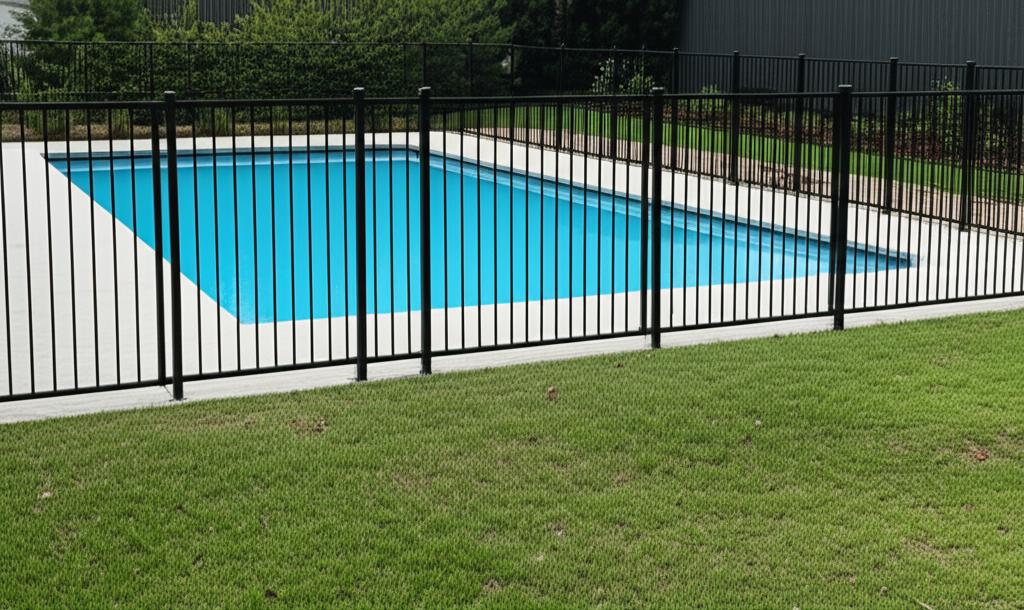
Minimum Height Requirements: Most jurisdictions mandate a fence height of at least 48 inches (4 feet), measured from the ground level on the side away from the pool. Some areas may require 60 inches (5 feet) or even higher. This height is designed to prevent children from easily climbing over the barrier.
Maximum Gap Limits: There are typically rules regarding the allowable clearance beneath the fence (usually no more than 2-4 inches) to prevent a child from crawling underneath. For fences with vertical slats, the gap between slats also has a maximum allowance (often 1.75 inches) to prevent a child from squeezing through.
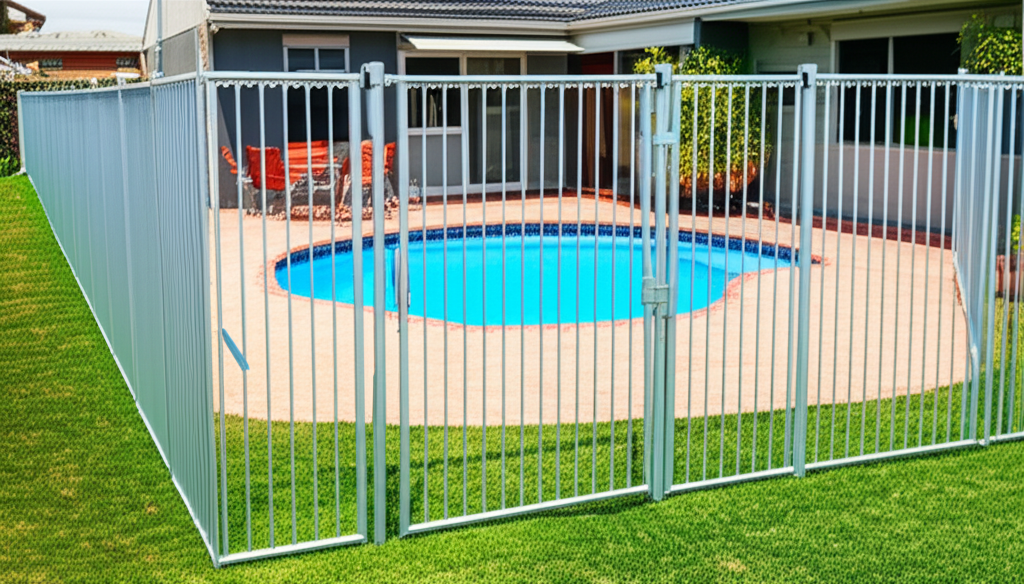
Self-Closing and Self-Latching Gates: This is arguably one of the most vital components of an effective safety barrier. All gates providing access to the pool area must be self-closing (automatically swing shut) and self-latching (automatically latch) when released from any open position. The latch itself must generally be located on the pool side of the gate, at a height that is out of reach for young children (e.g., at least 54 inches from the bottom of the gate).
Location and Isolation: The safety fence should ideally isolate the pool entirely from the home and surrounding yard. This means the house itself should not form part of the barrier unless all doors and windows leading directly to the pool area are equipped with alarms. The fence should also be positioned a certain distance from the water’s edge to provide adequate deck space without compromising safety.
Climbability Prevention: Fence designs should avoid features that could serve as handholds or footholds for climbing. This includes ensuring internal protrusions are minimized and that objects near the fence (such as outdoor furniture or planters) cannot be used to scale the barrier.
Barrier Types and Materials: While the laws don’t always specify material, they often mandate durability and stability. Common materials include mesh, wood, vinyl, aluminum, and glass. Each has its pros and cons regarding maintenance and aesthetics.
Ensuring your pool fence meets all local pool fence laws is a critical step in responsible pool ownership, much like maintaining optimal water chemistry or scheduling regular pool cleaning services for a healthy and enjoyable experience.
Beyond the Fence: A Holistic Approach to Pool Safety
While a compliant safety barrier is foundational, comprehensive pool safety extends beyond the physical fence. A multi-layered approach significantly enhances protection:
Supervision is Key: There is no substitute for constant, attentive supervision of children around water. Designate a “Water Watcher” who is solely responsible for watching swimmers and avoids distractions.
Learn CPR and First Aid: Knowing how to perform cardiopulmonary resuscitation (CPR) can make a critical difference in the event of a drowning incident. Local Red Cross chapters and other organizations offer training classes.
Pool Alarms: Consider installing alarms on pool gates, doors leading to the pool, and even in-pool alarms that detect surface disturbances. These provide an additional layer of warning.
Swimming Lessons: Enrolling children in age-appropriate swimming lessons can equip them with vital water safety skills.
Remove Toys from the Pool Area: After each use, remove all toys and floating objects from the pool and deck area. These can entice children to try and reach for them over or through the fence.
Maintain a Clean and Clear Pool: A comprehensive approach to pool safety includes ensuring the water itself is safe and clear. Regular pool cleaning services play a vital role in maintaining optimal water quality and clarity, allowing you to clearly see swimmers and identify any issues promptly. Murky water can hide dangers and obscure a swimmer in distress.
Navigating Permits and Inspections for Your Safety Barrier
Before installing or modifying a pool fence, it’s almost always necessary to obtain the appropriate permits from your local building department. This process generally involves submitting plans, undergoing inspections, and ensuring your chosen safety barrier complies with all local codes.
Permit Application: You’ll typically need to submit drawings or plans of your proposed fence, showing its height, gate locations, and compliance with setback requirements.
Inspections: Once the fence is installed, a building inspector will verify that it meets all the required safety standards before deeming it compliant.
Non-Compliance Consequences: Failing to obtain permits or install a compliant fence can result in significant fines, delays, and even legal liabilities in the event of an accident.
Conclusion
Adhering to pool fence laws* is not just about avoiding penalties; it’s about safeguarding lives. A robust and compliant safety barrier provides an essential layer of protection for children, pets, and even uninvited guests. By understanding the regulations, installing the right kind of fence, and maintaining it diligently, pool owners can significantly reduce risks and ensure their pool remains a source of joy and relaxation for years to come. Always prioritize safety, consult local authorities, and consider a multi-layered approach to create the safest possible pool environment.